
Property Lines Verified Before Posts Go In
Fence Design & Installation in Cleveland for homeowners in established neighborhoods where boundary locations require confirmation
Older Cleveland-area neighborhoods often have property lines that shifted over decades as fences, shrubs, and driveways were installed without formal survey reference, creating disputes when new fences go up in locations that encroach on neighboring lots. Great Lakes Painting and Construction conducts property line verification before any post setting begins, avoiding the costly neighbor disputes and city violations that result from guessing where boundaries actually fall. Homes in Parma and Lakewood frequently have ambiguous property markers, and many homeowners rely on existing structures or assumptions that prove inaccurate once surveys are consulted or boundary pins are located.
Fence installation begins with confirming boundary locations through survey review or pin location, ensuring that post placement stays within your property and meets setback requirements established by local codes. Installing a fence on or over a property line creates legal liability, and many municipalities require removal and relocation at the homeowner's expense once the error is discovered through neighbor complaint or permit inspection.
Schedule a property line consultation to verify boundaries and review fence design options before installation begins.
How Property Line Verification Prevents Disputes
Property line verification involves locating existing survey pins, reviewing recorded plats, or hiring a surveyor to mark boundaries if pins are missing or ambiguous. Once boundaries are confirmed, fence layout is marked with stakes and string to visually confirm placement before digging begins. Homeowners who skip this step and install fences based on existing structures or eyeballed estimates routinely face removal orders from the city or lawsuits from neighbors when the fence is later proven to encroach.
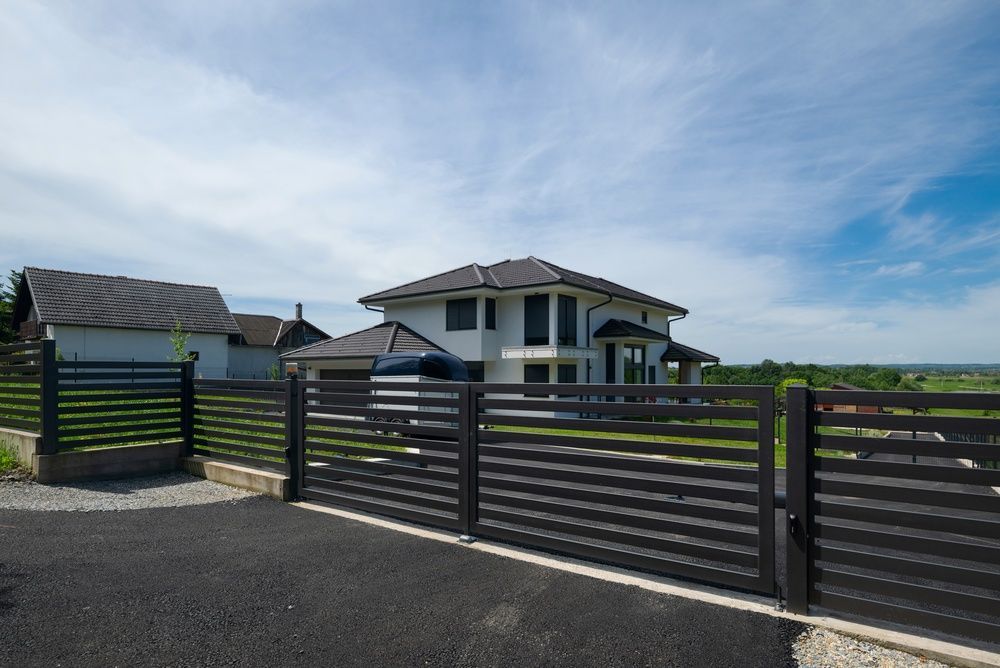
Once fence installation completes, you'll notice posts set in concrete footings below the frost line that remain stable through freeze-thaw cycles, panels or pickets aligned consistently across the run, and gates that swing freely without binding or sagging. The fence line follows your verified property boundary without encroaching on neighboring lots, and all components meet local height and style regulations where applicable.
Installation also includes post spacing calculated for the fence style and wind load, fasteners that resist corrosion from moisture exposure, and gate hardware rated for repeated use without premature failure. If the site has grade changes, the fence design includes stepped or racked panel placement that follows the terrain while maintaining consistent height and appearance.
Questions Before Starting Your Fence Project
Cleveland homeowners installing fences in older neighborhoods typically ask about boundary verification, permit requirements, and material selection for Northeast Ohio's weather conditions.
What happens if a fence gets installed on the wrong property line?
The homeowner is typically required to remove and relocate the fence at their own expense, and may face additional penalties or legal action from the affected neighbor if the encroachment isn't resolved promptly once discovered.
How much does property line verification cost compared to guessing?
Survey pin location or plat review typically costs a few hundred dollars, while removing and reinstalling an entire fence after a boundary dispute costs thousands, making verification a small upfront investment that prevents far larger expenses later.
Why do older Cleveland neighborhoods have unclear property lines?
Many properties were developed before modern surveying standards, and physical markers like iron pins corrode, get buried under landscaping, or are removed during construction projects, leaving homeowners without clear reference points for boundaries.
What fence materials work best in Cleveland's freeze-thaw climate?
Vinyl and aluminum fences resist moisture and temperature cycling without rotting or warping, while pressure-treated wood and cedar offer traditional aesthetics with proper maintenance, and all materials require footings below the frost line to prevent heaving.
When do Cleveland homeowners need a permit for fence installation?
Most municipalities require permits for fences over a certain height or located in front yards, and permit applications typically include a site plan showing property boundaries, fence location, and setback distances from lot lines and structures.
Great Lakes Painting and Construction installs fences in Cleveland after verifying property boundaries and confirming compliance with local regulations, preventing the disputes and violations that occur when installation proceeds without proper planning. Set up a site visit to review your property's boundaries and discuss fence design suited to your neighborhood and site conditions.